
Beyond the Datasheet: Selecting the Right Material for CNC Machining vs. 3D Printing
31-1-2026
Introduction: The Material Dictates the Method
In product development, material selection is often the first casualty of budget constraints or rigid timelines. However, choosing the wrong substrate doesn't just affect the part's longevity; it dictates the manufacturing method, surface finish, and final tolerance capabilities.
At JSE Precision, we guide clients through the complex matrix of material science. Whether you require the high strength-to-weight ratio of Titanium Ti-6Al-4V or the rapid iterations possible with ABS thermoplastics, our CNC material selection process ensures your design intent survives the manufacturing floor.
CNC Machining: When Structural Integrity is Non-Negotiable
Subtractive manufacturing remains the gold standard for parts requiring high fatigue resistance and thermal conductivity.
The Metals
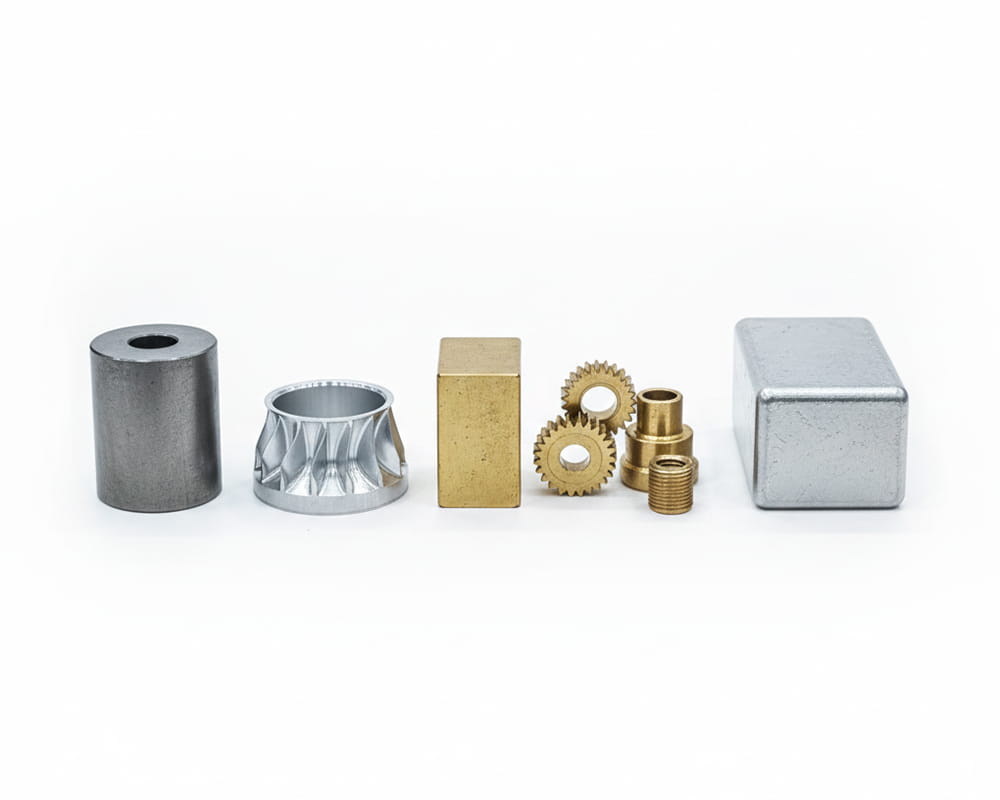
- Aluminum 6061 & 7075: The workhorses of the industry. Excellent machinability and corrosion resistance. Ideal for aerospace brackets and automotive components.
- Stainless Steel (304/316): Essential for medical devices and food processing due to chemical resistance, though harder to machine (requiring slower feed rates).
- Titanium: Reserved for high-performance applications where weight reduction is critical.
3D Printing: Geometry Over Sheer Strength
While traditionally viewed as a prototyping tool, additive manufacturing materials have evolved.
The Thermoplastics & Resins
- Nylon (PA12): Utilizing SLS (Selective Laser Sintering), Nylon offers functional, flexible parts with complex internal geometries.
- Ultem 9085: A flame-retardant high-performance thermoplastic used in aerospace for ducting and enclosures.
- Metal DMLS: Direct Metal Laser Sintering allows for printing parts in stainless steel or inconel with internal cooling channels that CNC cannot cut.
Comparative Analysis: Making the Decision
| Factor | CNC Machining | 3D Printing (Additive) | | :--- | :--- | :--- | | Tolerance | High ($\pm 0.001"$) | Moderate ($\pm 0.005"$) | | Isotropy | Consistent strength in all axes (X, Y, Z) | Weaker in Z-axis (layer adhesion) | | Waste | High (Subtractive) | Low (Additive) | | Scalability | Linearly scalable | Best for low volumes |
Our Process: Material Verification
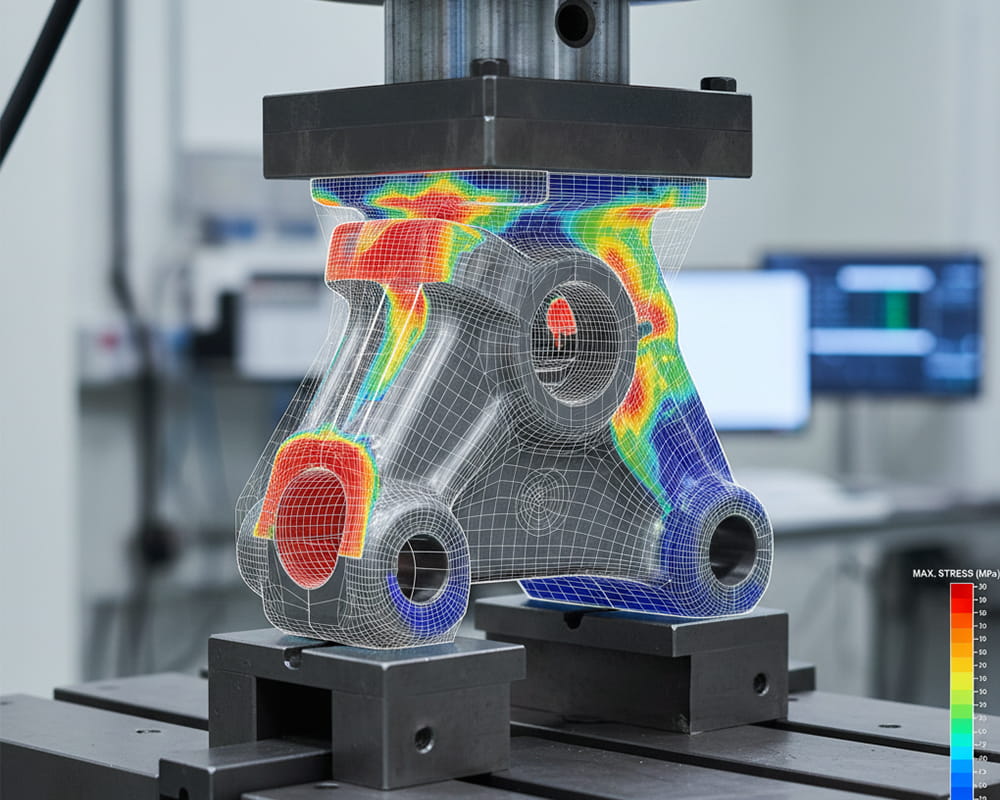
- Application Review: We analyze the environmental stress (heat, load, chemical exposure).
- Cost-Benefit Analysis: Comparing the raw material cost vs. machining time.
- Sourcing: We procure certified materials with full traceability (CoC).
Frequently Asked Questions
Can you machine plastics like Delrin or PEEK? Yes, we specialize in precision machining of high-performance plastics. We use specialized tooling to prevent melting and ensure chip evacuation.
Do you provide material certifications? Absolutely. We provide Mill Test Reports (MTRs) and Certificates of Conformance (CoC) upon request for all aerospace and medical projects.
Which is cheaper: Aluminum CNC or Nylon 3D Printing? For a single unit, Nylon 3D printing is generally cheaper due to zero setup time. For 50+ units, Aluminum CNC often becomes more cost-effective.
Secure Your Supply Chain
Don't let material failure compromise your reputation. Leverage our expertise in CNC material selection to build parts that last.
[Request a Material Consultation & Quote]
Internal Link Suggestions
- Interactive Material Guide (Link to Resource Page)
- The Benefits of 5-Axis Machining (Link to Service Page)
- Understanding Surface Finishes (Link to Blog)